Looking for a Vail home that feels tucked away, yet still connected to the energy of the village? Potato Patch offers a very specific version of mountain living: elevated above the core, shaped by hillside terrain, and closely tied to views, light, and year-round access. If you are considering a second home, a full-time residence, or an investment-minded retreat, this guide will help you understand what makes this part of Vail distinct. Let’s dive in.
Potato Patch in Vail Context
Potato Patch is part of Vail proper, not a separate community. The Town of Vail’s official neighborhood map includes Sandstone/Potato Patch as one of the town’s 12 recognized neighborhoods, which places it firmly within Vail’s residential fabric.
That matters if you are comparing it with village-core ownership or other hillside areas. You are still buying into Vail, but with a different feel than the pedestrian-heavy resort center below.
Why the Neighborhood Feels “Above the Village”
The name and setting are rooted in the land itself. SAH Archipedia describes Potato Patch Club and Condominiums as townhouses and condominiums built on what was once a south-facing hillside potato farm across I-70 from Vail Village.
That historic hillside placement still defines the experience today. When people talk about Potato Patch as “above the village,” they are usually describing that elevated position, the steeper topography, and the separation from the busiest parts of town.
What Life Here Feels Like
Potato Patch tends to appeal to buyers who want a quieter residential setting without losing access to Vail’s core amenities. The neighborhood sits within a small mountain resort town of about 5,500 full-time residents and roughly 5,000 part-time residents, which gives the broader setting a more intimate scale than a typical suburban market.
From a lifestyle standpoint, this is often about balance. You can enjoy the activity of Vail Village and Lionshead, then return to a hillside home environment that feels more private and removed.
Homes in Potato Patch
Historic Roots and Current Mix
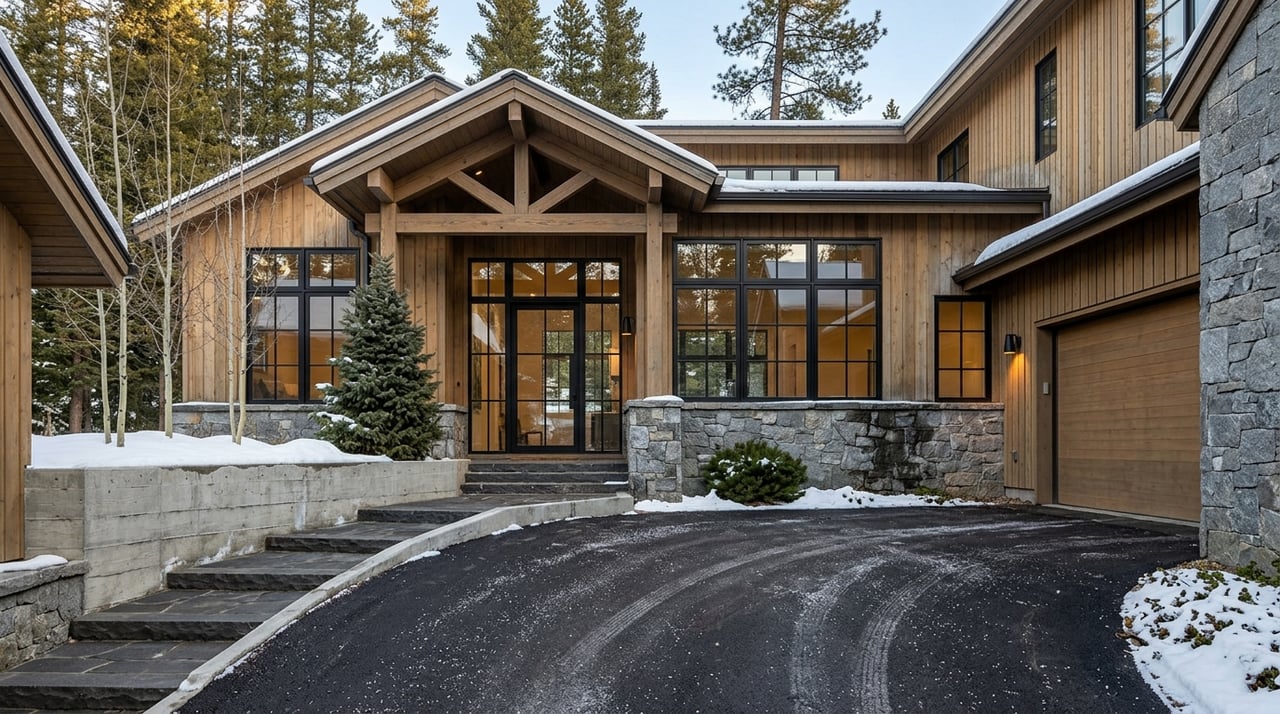
Historically, the built environment here centered on townhouses and condominiums. Today, public listings show a more varied mix that includes older attached homes, renovated townhomes, and contemporary residences.
In practical terms, that means you should not expect a one-style-fits-all neighborhood. Potato Patch is better understood as an architecturally mixed area where updates, design choices, and view orientation can have a major effect on value and day-to-day enjoyment.
Common Home Features
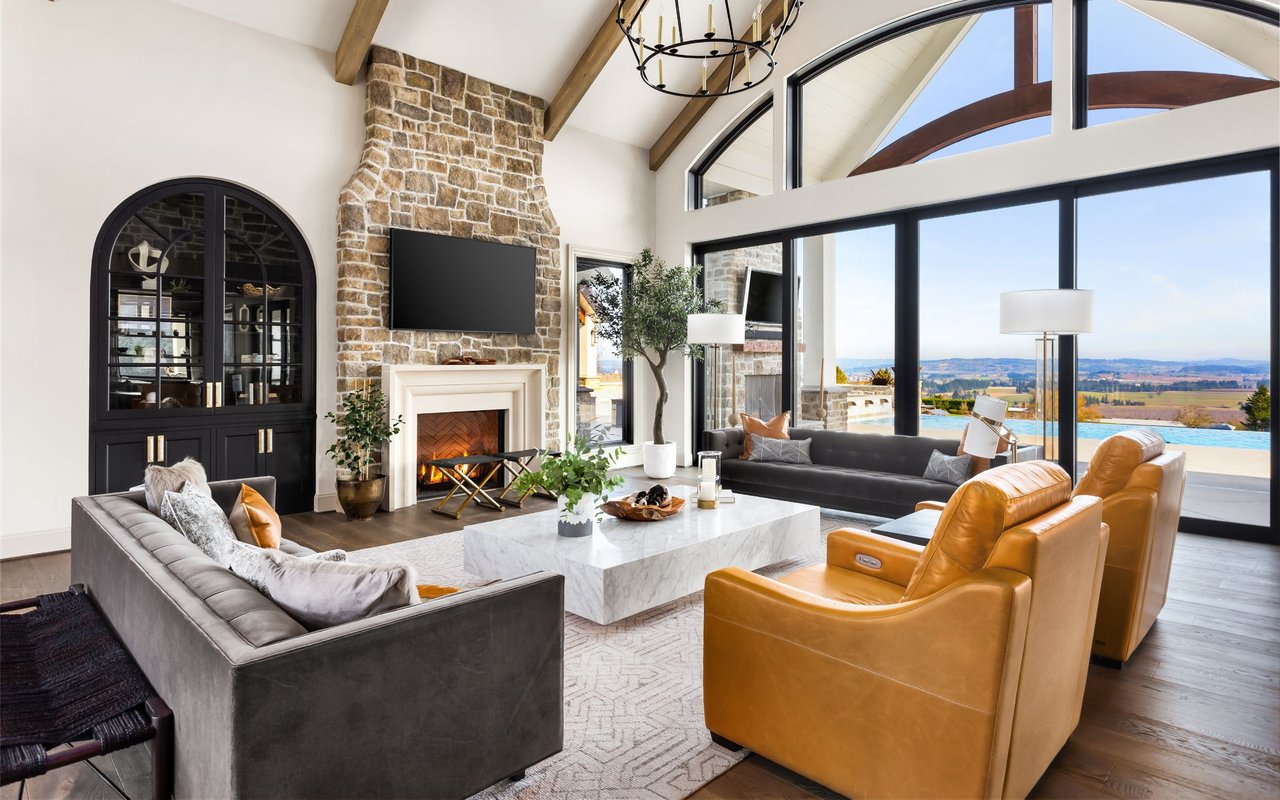
Across public listings, a few themes show up again and again. Many homes highlight mountain views, south-facing exposure, vaulted interiors, outdoor living spaces, and renovation work that brings older residences into a more current mountain-modern style.
Some listings also point to features that matter in a mountain setting, such as heated driveways and ensuite bedroom layouts. For buyers, these details can shape both convenience and long-term appeal.
A View-Driven Neighborhood
If there is one shorthand for Potato Patch, it is this: hillside, view-driven, and varied. Listings repeatedly reference unobstructed Vail Mountain ski-slope views, strong natural light, and even Beaver Creek vistas.
That makes outlook a central part of the ownership experience. In a neighborhood like this, the exact siting of a home can be just as important as its square footage or finish level.
Getting Around From Potato Patch
Village Access Is Connected, Not Flat
One of the most useful things to understand about Potato Patch is how it relates to Vail Village. It is not walkable in the same easy, flat way as living directly in the pedestrian village core.
Instead, the area is better described as connected by transit and car access. That distinction helps set the right expectations if you are deciding between in-village convenience and a more elevated residential setting.
Free Transit Is a Big Advantage
The Town of Vail operates a free year-round transit system and describes it as one of the largest free transportation systems in the country. Service runs throughout Vail and to and from Vail Mountain, which supports the appeal of neighborhoods outside the village core.
For the Sandstone/Potato Patch side of town, the official summer schedule includes stops at Red Sandstone Road and Vail View/Red Sandstone Rd. Those stops are the clearest transit anchors for this side of Vail.
The Village Below Has a Different Rhythm
The contrast between Potato Patch and the village core is part of the appeal. The Town’s passenger transportation ordinance notes that Vail and Lionshead villages include an extensive pedestrian mall, with buses, shuttles, courtesy cars, and taxis managed in the core to reduce congestion.
So while the village is active and highly accessible, Potato Patch offers some separation from that bustle. You get access to dining, errands, and resort activity, but your home base can feel quieter at the end of the day.
Four-Season Lifestyle in Potato Patch
Winter Living
Vail is built for winter, and Potato Patch keeps you tied to that experience. The Town of Vail reports more than 335 inches of snow annually, and Vail Mountain describes itself as one of the largest ski resorts in the world and the second-largest single-mountain ski resort in North America.
For many buyers, that means the neighborhood works well as a ski-season base with a little breathing room from the center of town. Views toward the ski slopes can also become a daily part of the experience, not just a weekend activity.
Summer Living
Summer is just as important to the neighborhood’s identity. The Town says Vail has nearly 300 days of sunshine each year, with average summer daytime temperatures around 75 degrees.
That seasonal profile supports a very active warm-weather rhythm. Whether you spend your time hiking, biking, or simply enjoying a south-facing deck, Potato Patch fits naturally into Vail’s summer lifestyle.
Trails and Open Space Nearby
Vail’s official information highlights 15 miles of recreation paths from East Vail to West Vail, along with countless hiking and biking trails in and around Vail Mountain. The Town also says that 30 percent of its lands are open space.
The connection is especially relevant here because Vail’s open-space map labels both Potato Patch and North Trail on the same map. That reinforces the idea that this neighborhood is tied into the town’s outdoor network rather than feeling isolated from it.
Biking and Hiking Access
North Trail, also called Trapper’s Run, is described by Discover Vail as a 0.7-mile one-way beginner trail with a gradual climb through pine and aspen and views of Vail Mountain. Discover Vail’s mountain biking guide also notes that the North Trail system spans 12 miles from Davos Road to Spraddle Creek.
One of the strongest lifestyle points for summer buyers is that a route starts by riding out of Vail toward Potato Patch Road, with no driving to a trailhead needed. For owners who want quick access to outdoor activity, that can be a meaningful part of the neighborhood’s appeal.
Who Potato Patch May Suit Best
Potato Patch can make sense for several buyer profiles, especially if you value both lifestyle and long-term usability. It often fits buyers who want a Vail address, mountain views, and easier separation from the busiest resort areas.
You may want to look more closely at this neighborhood if you are:
- Seeking a second home with a quieter residential feel
- Prioritizing views, light, and outdoor living spaces
- Open to townhomes, condos, or contemporary remodeled residences
- Comfortable using Vail’s free transit system for village access
- Looking for a home that supports both winter and summer use
What to Evaluate Before You Buy
In a neighborhood like Potato Patch, the details matter. Because the housing stock is mixed, each property should be evaluated on its own merits rather than by assuming every home offers the same ownership experience.
Focus on a few practical questions during your search:
- How strong are the views, and are they a defining feature of the home?
- What is the sun exposure, especially in winter?
- Has the property been renovated, and if so, to what level?
- How easy is access in snowy conditions?
- How well does the layout support your personal use, guests, or longer stays?
- How close is the home to transit access and the village connection you want?
For many resort buyers, these factors shape value just as much as finishes do. A well-positioned home with the right outlook and access can deliver a much better ownership experience over time.
Why Potato Patch Stands Out
Potato Patch stands out because it offers a version of Vail that feels elevated in more than one sense. Its hillside setting, historical roots, architectural mix, and strong link to views give it a character that is distinct from the village core.
At the same time, it remains closely connected to the broader Vail lifestyle through free transit, nearby trails, and year-round recreation. If you want Vail access without being in the middle of everything, this neighborhood is worth a serious look.
If you are exploring homes in Potato Patch or comparing Vail neighborhoods with a second-home or investment lens, Tricia Gould can help you evaluate the details that matter most and guide you through the process with a concierge-level approach.
FAQs
Is Potato Patch part of Vail proper?
- Yes. The Town of Vail officially includes Sandstone/Potato Patch as one of its 12 recognized neighborhoods.
Is Potato Patch walkable to Vail Village?
- Not in the same way as the pedestrian village core. The area is better understood as a hillside neighborhood connected to the village by transit or car.
What types of homes are in Potato Patch?
- Historically, the area included townhouses and condominiums, and current listings show a mix of older attached homes, renovated townhomes, and contemporary residences.
Does Potato Patch have good mountain views?
- Public listings consistently emphasize Vail Mountain ski-slope views, south-facing exposure, and other long-range outlooks, making views one of the neighborhood’s defining features.
Is Potato Patch a good fit for year-round living?
- It can be, especially if you want access to skiing in winter and trails, biking, and sunshine in summer while living in a quieter residential setting within Vail.
What makes Potato Patch different from living in Vail Village?
- Potato Patch offers more of a hillside residential experience, while Vail Village is centered around the pedestrian core, managed transportation activity, and a busier resort atmosphere.