If mountain views are at the top of your wish list, choosing between Potato Patch and West Vail can shape how you live in Vail every day. You may be trying to balance that postcard-worthy outlook with bus access, winter ease, privacy, and the kind of home that fits your plans. This guide will help you compare the two through a view-focused lens so you can narrow your search with more confidence. Let’s dive in.
How Potato Patch and West Vail Differ
Potato Patch is part of the Town of Vail’s Sandstone/Potato Patch neighborhood, while West Vail is its own official neighborhood area. That difference matters because Potato Patch tends to feel like a more concentrated hillside setting, while West Vail covers a broader west-side district with several subareas and a wider range of homes.
For buyers focused on views, the comparison is usually not Potato Patch versus all of West Vail. It is more useful to compare Potato Patch with West Vail hillside pockets like Buffehr Creek, Lions Ridge, The Valley, Matterhorn, Glen Lyon, and Vail Intermountain. These are the areas where elevated outlooks tend to be part of the conversation.
Potato Patch Views: A Signature Look
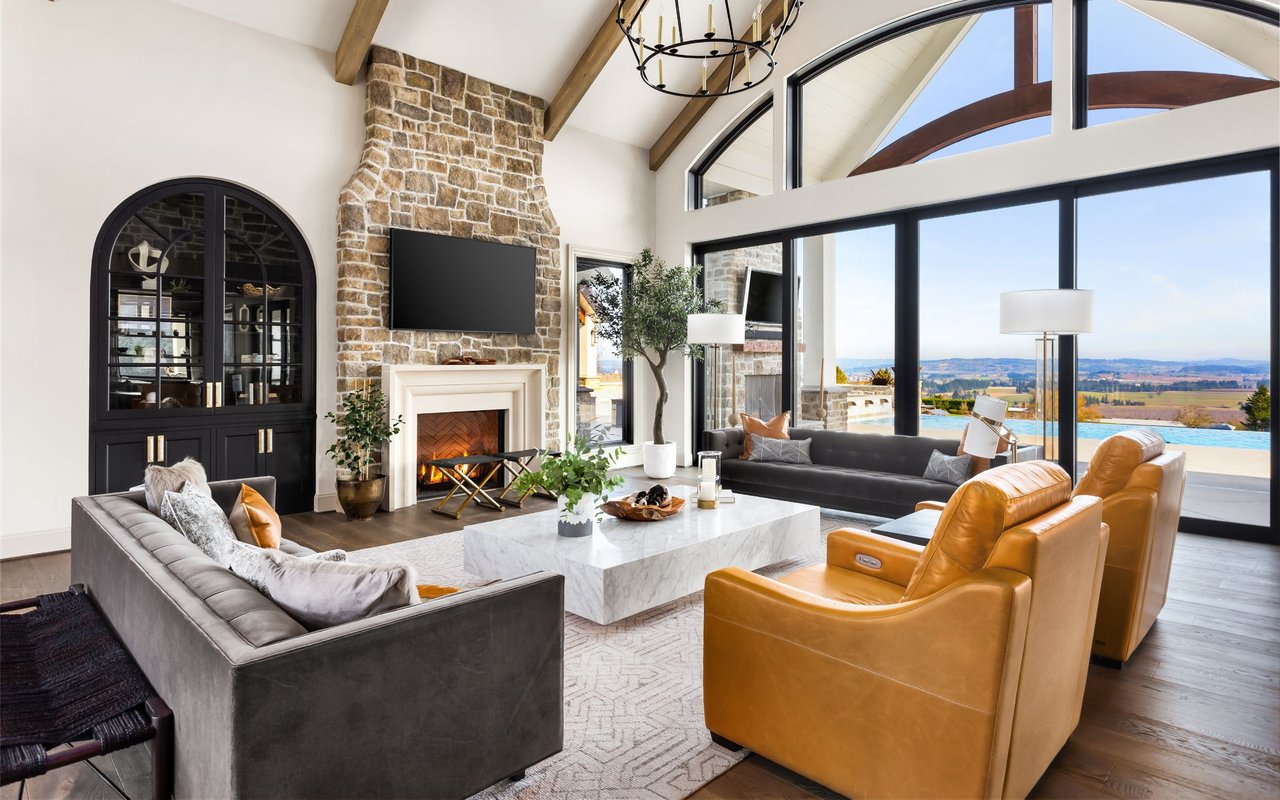
If you picture yourself looking out at Vail Mountain and ski slopes, Potato Patch often delivers the most direct version of that experience. Recent listings in the area repeatedly highlight Vail Mountain views, ski-slope sightlines, south-facing sun, and decks or windows designed to frame the panorama.
That consistency is one of Potato Patch’s biggest strengths. Instead of a wide mix of possible outlooks, the neighborhood often attracts buyers who want a cleaner, more immediate mountain-facing experience above Vail Village.
Because Vail gets more than 335 inches of snow annually and nearly 300 days of sunshine, exposure matters in daily living. In Potato Patch, south-facing orientation and sunny decks show up often in listings, which helps explain why many buyers are drawn to the combination of winter light and mountain views.
What Potato Patch Often Feels Like
Many homes in Potato Patch are positioned to make the view the main feature. You will often see expansive windows, broad decks, patios, hot tubs, and multi-level layouts that lean into the hillside setting.
The result can feel very resort-oriented. If your goal is to open the shades and see the mountain take center stage, Potato Patch is often the more straightforward fit.
West Vail Views: More Variety, More Choice
West Vail offers a broader view vocabulary. Depending on the exact location, you may find views of the Gore Range, Bald Mountain, Vail ski mountain, Beaver Creek, the Grand Traverse, valley vistas, or layered views over the Town of Vail.
That makes West Vail more variable than Potato Patch, but it also gives you more flexibility. If you care about a specific panorama, not just a classic ski-mountain view, West Vail may give you more ways to match the view to your personal taste.
Why Location Inside West Vail Matters
West Vail is not one single hillside experience. The town notes that I-70 bisects West Vail, and the North and South Frontage Roads help connect the area to Vail Village. That helps explain why one property may feel especially convenient while another may feel more tucked away.
For that reason, lot-by-lot analysis is especially important in West Vail. Two homes with similar price points can offer very different outlooks, sun exposure, and access patterns.
Which Neighborhood Fits Your View Goals?
If your top priority is a reliable, ski-mountain-facing backdrop, Potato Patch usually stands out. It often gives buyers a more concentrated version of the classic Vail view.
If you want more options in what you see from home, West Vail may be the better match. It can be a strong choice if you prefer layered alpine scenery, town lights, valley views, or a mix of mountain landmarks depending on the property.
Here is a simple way to think about it:
- Choose Potato Patch if you want: a more consistent Vail Mountain and ski-slope orientation
- Choose West Vail if you want: more variety in scenery, home type, and price range
- Compare both if you want: strong views plus flexibility on access, layout, and budget
Access and Bus Convenience
Views matter, but daily logistics matter too. The Town of Vail notes that most neighborhoods are served by the free bus system, and transit is free year-round.
For West Vail, the current route structure offers especially direct bus coverage into the core, with service that includes areas such as Lionshead Transit Center, Cascade Village, Matterhorn, Intermountain, Meadow Creek, and the Vail Transportation Center. That can be a practical advantage if you want easier movement between home and the village areas.
Potato Patch and nearby Sandstone-area homes can still work well for transit, but convenience depends more on the exact stop and route. Some trips may involve a connection through the Vail Transportation Center, so it is worth mapping out the real day-to-day pattern before you buy.
Summer and Winter Movement
The Red Sandstone Garage offers another useful clue for west-side access. The town describes it as a short walk into Lionshead Village and notes free bus service into Vail and Lionshead, which shows how some west-side and Sandstone-adjacent homes can combine hillside views with relatively easy village access.
In warmer months, Vail’s recreation path system adds another layer of convenience. The town says there are more than 15 miles of paved multi-use paths, including connections to Vail Village and west through the Eagle Valley Trail, which can support walking and biking depending on your location.
Winter Logistics for Hillside Homes
This is where buyers should slow down and look beyond listing photos. West Vail’s master plan notes that north-south connections into residential areas involve more elevation change and can create more challenging uphill travel and slippery winter conditions.
That is a helpful lens for both West Vail and Potato Patch. If you are buying a hillside property, ask practical questions about driveway grade, snow management, garage access, and how easy it feels to come and go during a storm.
A beautiful view is worth enjoying, but winter convenience still affects daily life. This is especially important if you plan to use the home often during ski season or want a low-friction second-home experience.
Home Types and Price Range
Potato Patch often includes multi-level condos and townhomes, duplexes, and larger custom homes. Recent listing examples show a pricing spread from about $1.5 million for a smaller townhouse to around $3 million for remodeled condo or townhome product, roughly $6 million for larger duplex or triplex inventory, and more than $13 million for trophy homes.
West Vail is broader in both product type and pricing. View-oriented hillside examples include condos and townhomes around $1.4 million to $2.8 million, larger homes around $4 million to $6 million, and estate-level properties from roughly $10.7 million to more than $24 million. The broader West Vail area also includes lower-priced condo inventory outside the premium hillside pockets.
What That Means for Buyers
Potato Patch can feel more curated if you are zeroed in on a certain mountain-view lifestyle. West Vail can offer more room to compare tradeoffs across budget, home size, and outlook.
If you are a second-home buyer or lifestyle investor, West Vail’s wider range may create more options to align view priorities with layout, access, and long-term use plans. If you want a more specific visual payoff from the living room, deck, or primary suite, Potato Patch may rise to the top faster.
Privacy and Outdoor Living
Privacy is not exclusive to either neighborhood. Listing examples in both areas highlight features like broad decks, patios, forested surroundings, and minimal highway noise, but privacy tends to come down to the individual site.
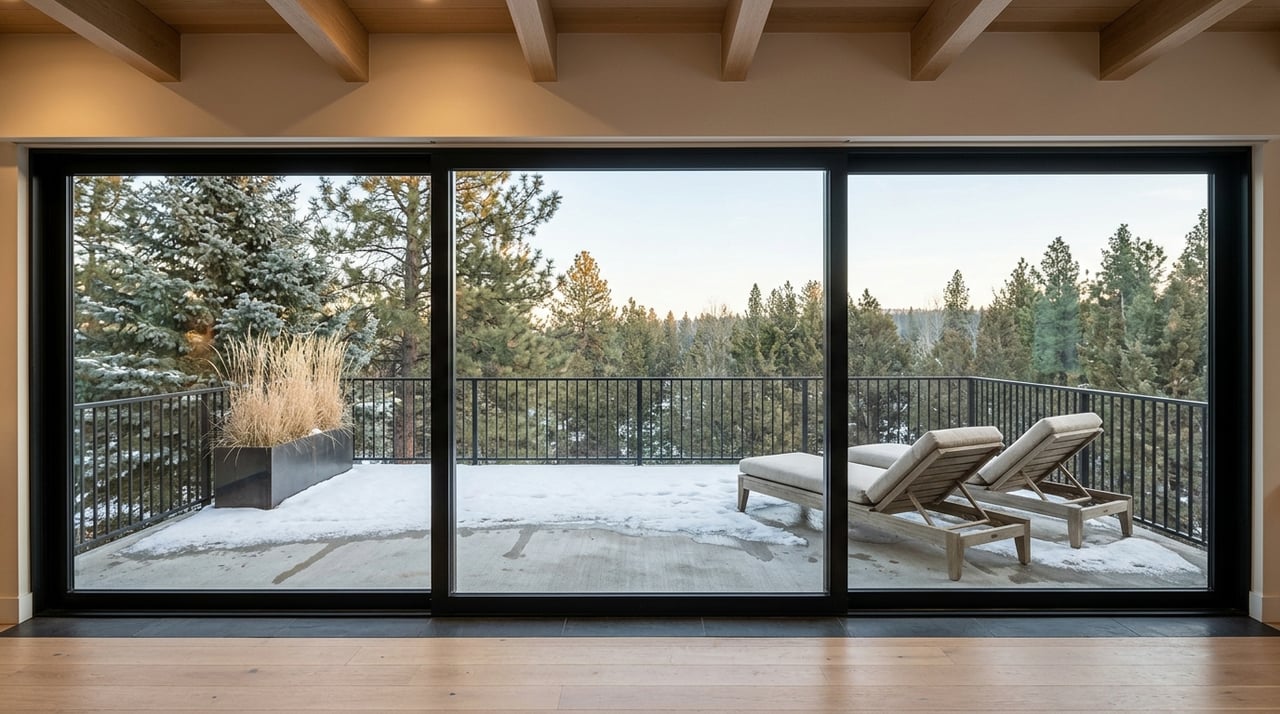
In practical terms, your privacy will usually depend on elevation, setback, rooflines, and how the home is positioned on the lot. A West Vail home may feel exceptionally secluded, while a Potato Patch home may offer a similarly private deck with a direct mountain backdrop.
That is why the best approach is to look at outdoor living and privacy as property-specific questions. If you value hot tubs, sunny decks, broad patios, or protected outdoor space, those features should be evaluated home by home.
A Smart Way to Compare Both Areas
When you tour or shortlist homes, keep your comparison focused on the factors that truly affect daily use. A clear framework can help you avoid getting distracted by staging or a single standout photo.
Use this checklist as you compare Potato Patch and West Vail:
- What exactly do you see from the main living area?
- Is the view centered on Vail Mountain, or is it a broader alpine panorama?
- How much winter sun does the home appear to get?
- What is the driveway grade and ease of winter access?
- How close is the nearest bus stop or connection point?
- Does the outdoor space actually support how you want to use it?
- How private does the property feel from neighboring homes?
- Does the home type fit your lifestyle and maintenance preferences?
Final Takeaway for View-Focused Buyers
If you want the most concentrated version of the classic Vail mountain-view experience, Potato Patch is often the cleaner fit. If you want a wider menu of views, home styles, and pricing, West Vail is often the stronger lane.
The right choice comes down to what kind of scenery you want to live with and how you want the home to function beyond the view itself. If you would like help comparing specific properties in Potato Patch or West Vail, Tricia Gould can help you evaluate view quality, access, and long-term fit with a clear, concierge-level strategy.
FAQs
Is Potato Patch or West Vail better for direct Vail Mountain views?
- Potato Patch is generally the more consistent choice for direct Vail Mountain and ski-slope sightlines based on current listing examples.
What kinds of views are common in West Vail hillside areas?
- West Vail hillside homes may offer views of the Gore Range, Bald Mountain, Vail ski mountain, Beaver Creek, valley scenery, and the Town of Vail depending on the lot.
Is bus access different in Potato Patch and West Vail?
- Yes. West Vail has especially direct bus coverage into the core, while Potato Patch and Sandstone-area access depends more on the exact route, stop, and connection pattern.
Are Potato Patch and West Vail both served by Vail transit?
- Yes. The Town of Vail notes that most neighborhoods are served by the free bus system, which operates year-round.
What should buyers check about hillside homes in Vail during winter?
- Focus on driveway grade, snow management, garage access, uphill travel, and how comfortable daily access will feel during snowy or slippery conditions.
Are home prices similar in Potato Patch and West Vail?
- Both areas include luxury inventory, but West Vail generally offers a broader spread of home types and price points, while Potato Patch tends to be more concentrated around view-oriented hillside properties.