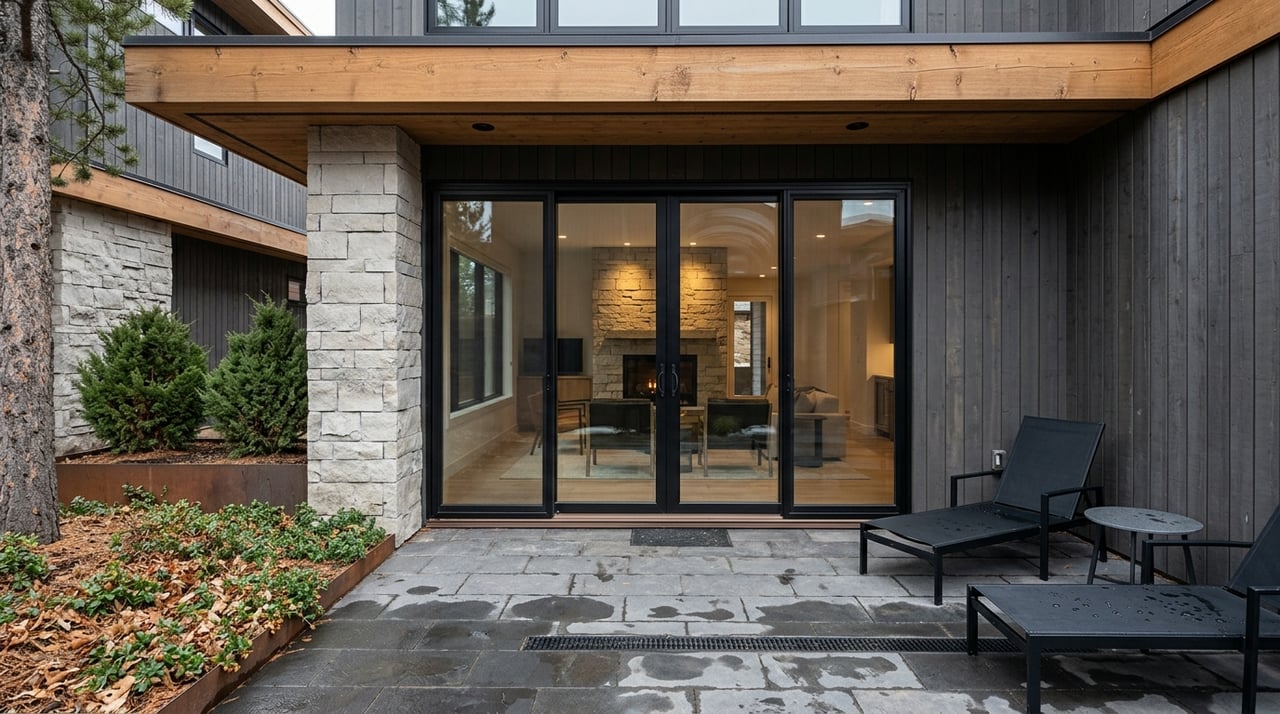
Selling a home in West Vail from out of town can feel like trying to manage a mountain property with one hand tied behind your back. You want the home to show well, the paperwork to be accurate, and the process to stay organized without constant travel or last-minute surprises. The good news is that with the right checklist, you can prepare, market, and close your sale smoothly from wherever you are. Let’s dive in.
Why remote sellers need a plan
West Vail is one of the Town of Vail’s recognized neighborhoods, and the area’s market activity makes preparation especially important. The Vail Board of REALTORS 2025 annual report showed a median sales price of $1,465,500, an average sales price of $2,556,161, 1,031 closed sales, 1,537 new listings, and a median 37 days on market. In a market like this, buyers notice condition, pricing, and presentation quickly.
If you are selling from another city or state, the process works best when you treat the listing like a project with clear milestones. That means handling condition issues early, gathering documents before the home goes live, and deciding how showings and closing will work before buyers start coming through.
Start with a full home review
Your first step is to understand the home’s current condition as it stands today, not as you remember it from your last visit. For a remote seller, that usually means a local broker walk-through, a pre-listing inspection, or both. This gives you a realistic picture of what buyers will see and what may need attention before photos and showings.
Colorado’s residential Seller’s Property Disclosure highlights several issues that can matter in mountain homes. These include roof age and problems, water intrusion, driveway or retaining-wall movement, window leaks, flood damage, radon testing or mitigation, environmental issues, and prior reports or insurance claims. If any of these apply to your property, it is better to identify them early and prepare your disclosure packet carefully.
Key condition items to review
- Roof age and visible wear
- Window and door performance
- Water intrusion or leak history
- Driveway condition and drainage
- Retaining walls and site movement
- Gutters and runoff patterns
- Flood or runoff concerns
- Radon testing or mitigation records
- Prior repairs, claims, or inspection reports
Check permits before repairs
It is tempting to send in a contractor right away for touch-ups or exterior work. In Vail, that can create delays if permit or approval requirements are overlooked.
The Town of Vail requires contractor registration before contractors undertake construction, repairs, alterations, renovations, or excavation work. Permit applications are submitted through the town’s online portal. The town also notes that some exterior work requires Design Review Board approval before the permit process begins.
Even modest exterior work should be reviewed before scheduling trades. The town’s building and public-works permit guidance includes items like driveway improvements, drainage, staging, parking, and fencing among work that may require a public-way permit.
Smart pre-listing updates for remote owners
Focus first on items that improve presentation and reduce buyer objections:
- Paint touch-ups
- Deep cleaning
- Window cleaning
- Gutter cleaning
- Snow and ice removal, when seasonal conditions apply
- Minor drainage fixes
- Driveway clean-up or repair
A concierge-style listing process can help you decide what is worth doing and what is better left alone. In many cases, the goal is not a full remodel. It is a clean, well-documented, market-ready home that feels cared for and easy to evaluate.
Use local mapping tools before listing
Mountain properties often come with site-specific questions that matter to buyers. The Town of Vail’s GIS tools include property and zoning, wildfire, runoff and flood, and noxious-weed map layers. These tools can help you and your broker evaluate possible issues before they come up during the transaction.
This is especially helpful if you have owned the home for years and have not kept up with every local update. Reviewing these map layers before listing can help you flag questions early, gather records, and avoid scrambling once a buyer starts due diligence.
Build your disclosure packet early
For remote sellers, paperwork is where many deals either feel smooth or start to feel stressful. Colorado’s current residential Seller’s Property Disclosure form, SPD19, has a mandatory use date of January 1, 2026. The form must be completed by the seller to the seller’s current actual knowledge, and it is not a warranty or a substitute for an inspection.
If you are not currently living in the property, the form says you should identify whether the home is vacant or occupied by someone else. That detail matters, and it is one more reason to gather facts before the home hits the market.
Documents to collect before launch
- Seller’s Property Disclosure information
- Appliance list
- Manuals and warranty documents
- Receipts for completed work
- Prior inspection reports, if applicable
- Insurance claim information, if applicable
- Floor plans, if available
- Updated photos of the home and key features
Keeping these items in one cloud folder can make the listing process much easier. It also helps your agent answer buyer questions quickly and accurately.
Prepare HOA documents if they apply
If your West Vail property is part of a common interest community, start gathering HOA information as early as possible. Colorado’s disclosure form asks about owner associations, special assessments, common-element defects, lawsuits involving association property, and related contact information.
That means buyers may want a clear picture of the association’s current status, not just the monthly dues. Delays often happen when sellers wait until they are under contract to request these records.
HOA items to assemble
- Governing documents
- Current budget
- Recent meeting minutes
- Special assessment notices
- Information on common-area repairs
- Information on association disputes or lawsuits, if applicable
- HOA contact details
For resort-area properties, this step is particularly important because buyers often evaluate not just the home itself, but also the ongoing ownership structure around it.
Organize short-term rental history
If the property has ever been used as a short-term rental, gather that information before you list. The Town of Vail defines a short-term rental as a residential dwelling unit or room rented for less than 30 consecutive days and requires an approved short-term rental license before advertising or operating.
The town’s FAQ also says owners should verify that their HOA or private covenant allows short-term rental use. It notes that local-representative, insurance, and fire-inspection materials may be required. The local representative must be within an hour’s travel time, available 24/7, and have a text-enabled phone.
If your home has a rental history, buyers may ask about past use, licensing, and any HOA limitations. Having those details organized upfront helps keep conversations factual and efficient.
Create a clear showing plan
One of the biggest concerns for remote sellers is access. Who has keys? How are showings approved? What happens after each showing?
Colorado’s lockbox guidance says access should be detailed in writing in the listing contract. A seller may choose not to use a lockbox and instead require the broker to be present for showings. That means your showing plan should be intentional, not improvised.
Your remote showing plan should cover
- Who holds keys or entry devices
- Whether a lockbox will be used
- Whether broker-accompanied showings are required
- How access is tracked
- How quickly showing feedback is shared
- How vacant-home checks are handled after showings
In a resort market, many sellers value both convenience and oversight. The right access strategy should support buyer access while still protecting the property and keeping you informed.
Get the home photo-ready
Remote sellers often underestimate how much marketing materials matter. In a high-value market, strong presentation helps buyers connect with the home before they ever step inside.
Before the listing goes live, gather updated photos, floor plans if available, appliance details, manuals, warranty documents, and receipts for completed work. This helps your agent present a complete story and answer practical questions without delay.
A polished launch is especially important when your buyer may also be shopping from out of town. When the home looks organized, documented, and well prepared, it signals confidence and care.
Plan for remote signing and closing
You do not necessarily need to return to Colorado to complete the sale. Colorado allows remote notarization of real estate documents as long as the notary is physically located in Colorado, the notarization happens in real time by audio-video, and the recording is stored for 10 years.
That makes remote signing possible for many out-of-town sellers, but only if the title company and notary are set up for it in advance. This is something to confirm early, not the week of closing.
You should also review your estimated seller net sheet carefully. The Town of Vail levies a 1% real estate transfer tax, so that cost should be accounted for early in the process.
Your West Vail remote seller checklist
Here is the streamlined version you can use before listing:
- Schedule a local walk-through or pre-listing inspection.
- Review roof, drainage, windows, driveway, retaining walls, and leak history.
- Check Town of Vail permit and approval requirements before repairs.
- Complete cleaning, touch-ups, and seasonal exterior maintenance.
- Review GIS map layers for zoning, wildfire, runoff, flood, and related site factors.
- Gather disclosure details based on your current actual knowledge.
- Assemble appliance info, manuals, warranties, receipts, and prior reports.
- Request HOA documents, budgets, minutes, and assessment information, if applicable.
- Organize short-term rental records, license details, and HOA rental rules, if applicable.
- Set a written showing and access plan.
- Prepare photos, floor plans, and marketing assets.
- Confirm remote notarization options and include Vail RETT in your net sheet.
Selling remotely does not have to mean selling reactively. With a thoughtful plan, local oversight, and strong execution, you can position your West Vail home well, stay informed at every step, and move from preparation to closing with far less friction.
If you are preparing to sell a West Vail property from out of town, working with a local advisor who can coordinate details on the ground makes a real difference. Tricia Gould offers concierge-level guidance for Vail Valley sellers who want a polished, organized, and strategy-driven process.
FAQs
What should a remote seller fix before listing a home in West Vail?
- Start with condition items that affect buyer confidence and first impressions, such as leaks, drainage issues, window performance, roof concerns, driveway condition, cleaning, and basic cosmetic touch-ups.
What permits might apply to pre-listing work in West Vail?
- In Vail, contractor registration is required for many types of work, and some repairs or exterior changes may also require permit review, public-way permits, or Design Review Board approval.
What disclosures does a remote seller need for a West Vail home?
- A West Vail seller should complete Colorado’s residential Seller’s Property Disclosure based on current actual knowledge and gather supporting information about condition, repairs, insurance claims, occupancy status, and any association-related matters.
What HOA documents should a West Vail seller gather before listing?
- If the property is in an association, gather governing documents, budgets, meeting minutes, special assessment notices, contact information, and any information about common-area defects, repairs, or disputes.
How do showings work when the West Vail seller lives out of town?
- Showings should follow a written access plan that covers keys, lockbox use or broker-accompanied access, tracking, and how feedback will be shared after each appointment.
Can a seller close on a West Vail home from another state?
- Yes, remote closing may be possible because Colorado allows remote notarization of real estate documents when the state’s notarization rules are followed and the title company and notary are prepared in advance.