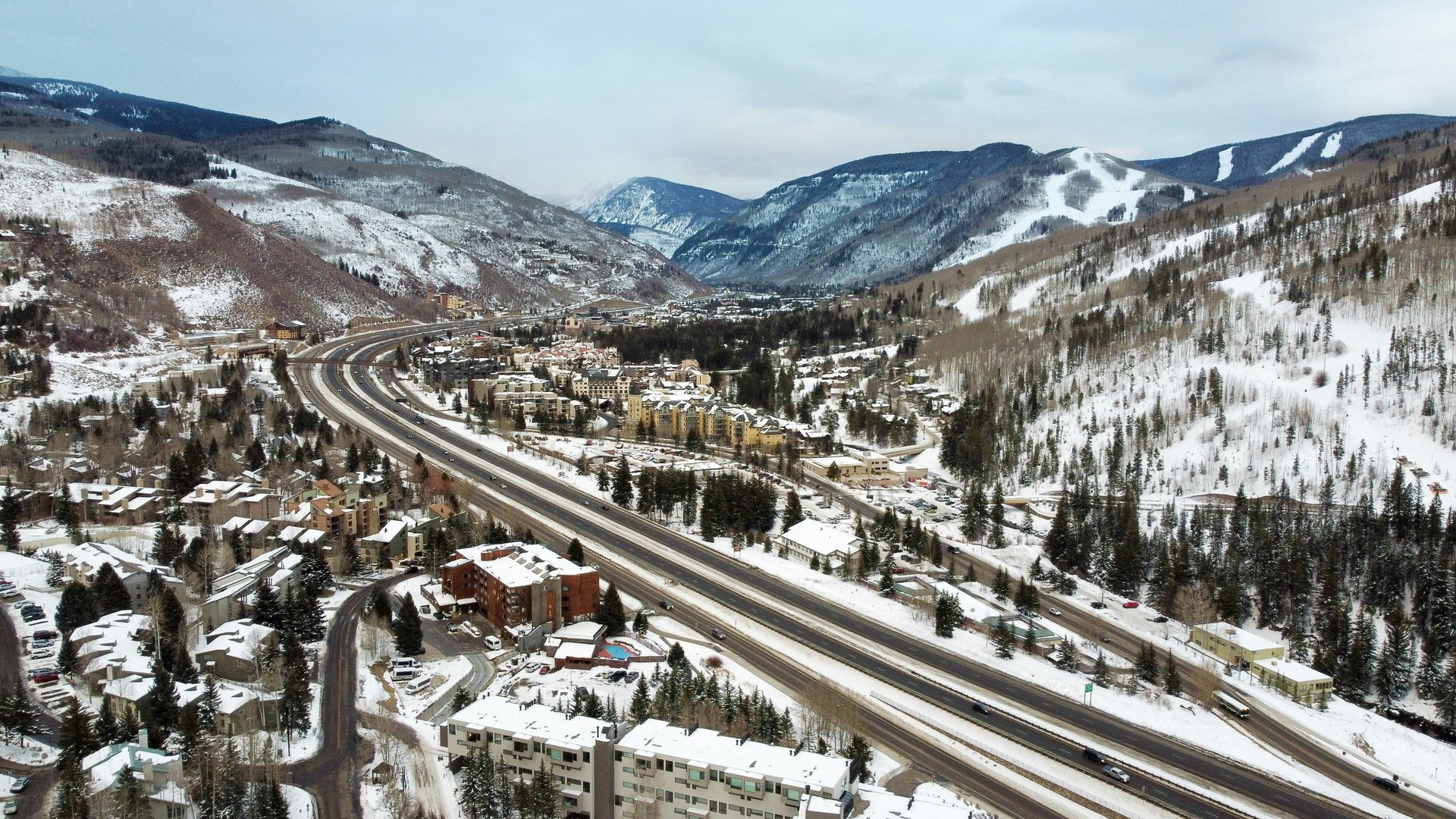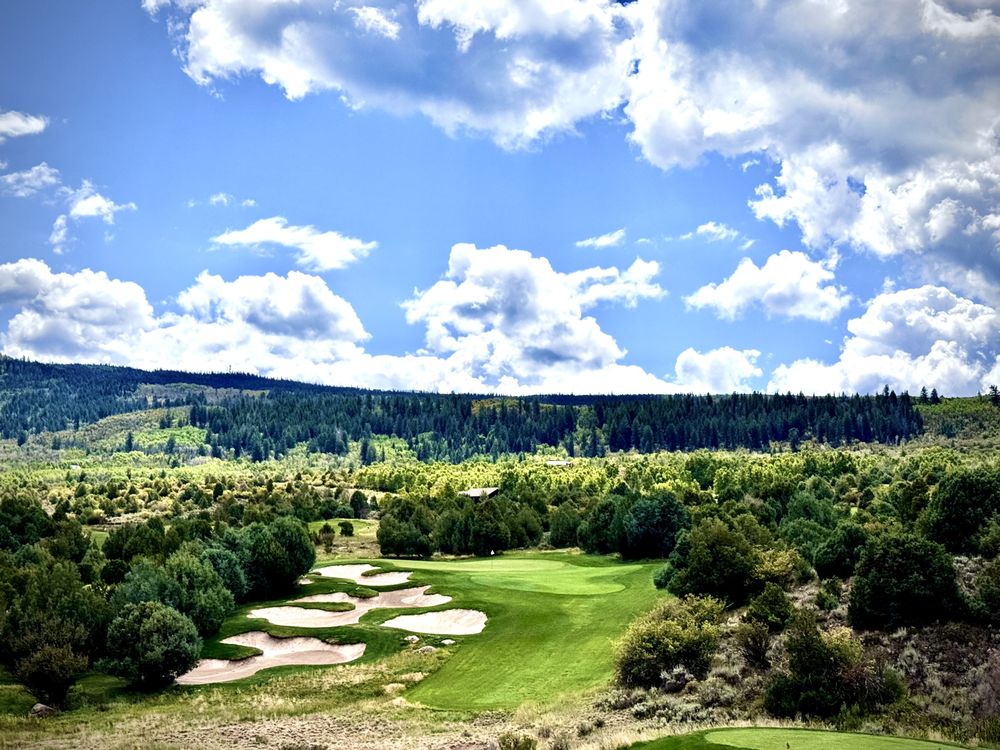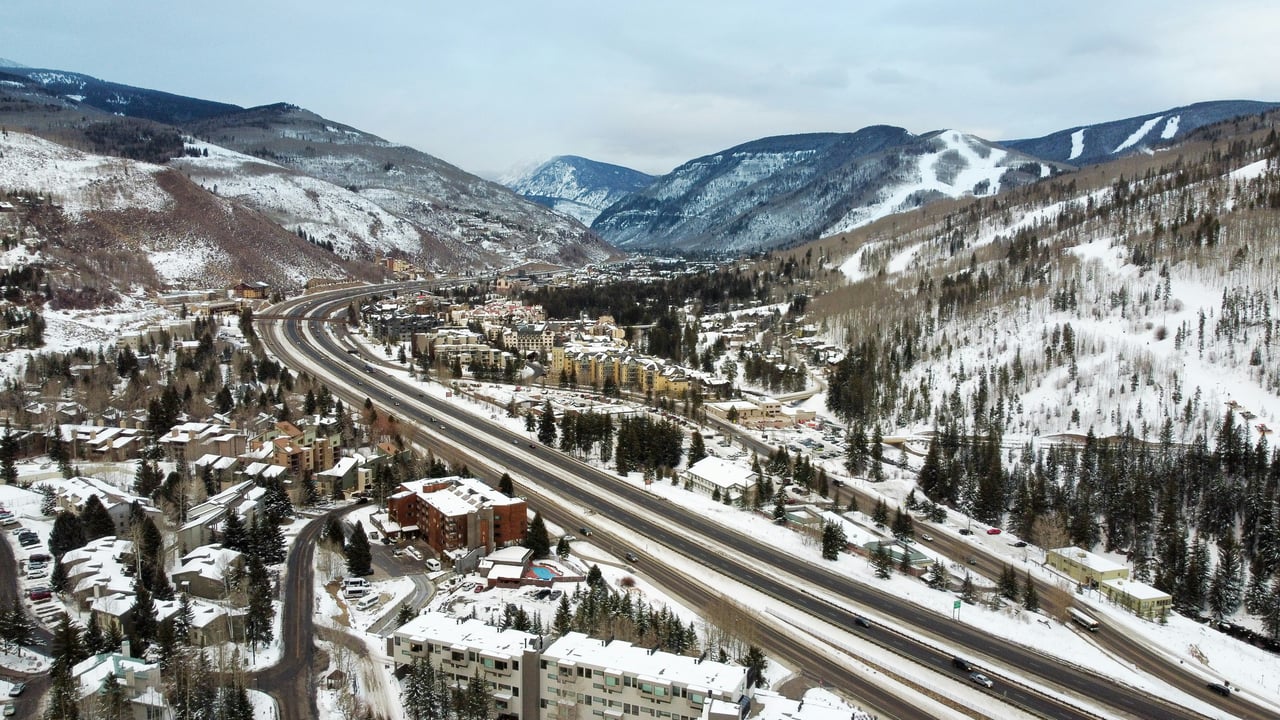
Welcome to Vail, Colorado, a mountain resort town in Eagle County known for Vail Mountain, alpine scenery, pedestrian-friendly villages, and year-round outdoor recreation. Vail sits along Interstate 70 about 100 miles west of Denver, with Eagle County Regional Airport located about 35 miles to the west.
Life in Vail is closely tied to the mountains. The town sits at an elevation of 8,150 feet and stretches about 8.5 miles through the valley. Residents and visitors use free local bus service, walkable village cores, recreation paths, parks, trails, and ski-area access to move between daily errands, restaurants, events, and outdoor activities.
For buyers exploring Vail real estate, location matters as much as the property itself. Vail Village and Lionshead offer the most central resort setting, while East Vail, West Vail, Golf Course, Sandstone, Potato Patch, and other neighborhoods give buyers different combinations of quiet surroundings, transit access, views, and proximity to recreation.
| Key Facts about Vail, CO | |
|---|---|
| County | Eagle County |
| Community Type | Incorporated mountain resort town |
| Location | About 100 miles west of Denver on Interstate 70, with Eagle County Regional Airport about 35 miles west of town |
| Population | 4,835 residents in the 2020 Census |
| Elevation and Size | 8,150 feet in elevation, about 4.5 square miles, and about 8.5 miles in length |
| Known For | Vail Mountain, skiing and snowboarding, pedestrian villages, free transit, cultural events, dining, shopping, and outdoor recreation |
| Outdoor Access | Vail Mountain, Gore Creek, White River National Forest, Ford Park, Donovan Park, Betty Ford Alpine Gardens, Vail Golf Club, and local recreation paths |
| Main Roads and Transit | Interstate 70, North and South Frontage Roads, Vail Road, Vail Transportation Center, and free year-round Town of Vail bus service |
| Local Education | Eagle County School District, Red Sandstone Elementary School in Vail, nearby Battle Mountain High School in Edwards, Vail Ski & Snowboard Academy in Minturn, and Colorado Mountain College Vail Valley at Edwards |
Vail Lifestyle Snapshot
This visual is an editorial snapshot based on documented local amenities, not a statistical ranking.
Vail’s modern history is closely connected to skiing, the 10th Mountain Division, and the development of Vail Mountain. The Town of Vail notes that Pete Seibert, one of Vail’s founding figures, returned to the valley after World War II with a vision for a mountain ski community. Earl Eaton later teamed with Seibert to help shape plans for the resort.
Construction on Vail began in the spring of 1962. The early resort included one of the first gondolas in the United States, two double chairlifts, and a beginner poma lift. By the fall of 1966, the Town of Vail was incorporated.
Vail’s identity expanded beyond winter recreation during the 1980s. Golf, mountain biking, gondola sightseeing, tennis, concerts, and seasonal events helped shape the town into a year-round resort community. Today, that mix of mountain access, cultural programming, public space, and village design continues to define daily life in Vail.
The town has also focused heavily on open space, transit, and environmental stewardship. Vail reports that about 30 percent of its lands are open space, and its free transit system helps residents and visitors move around town without relying only on cars.
Local insight: Vail is not just one village core. The town identifies 12 neighborhoods, including East Vail, Vail Village, Lionshead Village, Sandstone/Potato Patch, West Vail, Matterhorn/Glen Lyon, and Vail Intermountain.
Outdoor recreation is one of Vail’s strongest lifestyle features. The Town of Vail owns, manages, and maintains 8 neighborhood parks, 2 community parks, and several pocket parks. Many neighborhoods also connect to nearby trails, rec paths, streams, and the free bus system.
Ford Park is one of Vail’s major community spaces. It includes Betty Ford Alpine Gardens, Gerald R. Ford Amphitheater, tennis facilities, athletic fields, picnic areas, a half-court basketball area, and a custom play area. Donovan Park is another community park with Donovan Pavilion, athletic fields, picnic areas, a basketball court, and a custom play area.
A central community park with Betty Ford Alpine Gardens, Gerald R. Ford Amphitheater, tennis facilities, athletic fields, picnic areas, basketball, and a custom play area.
A West Vail community park with Donovan Pavilion, athletic fields, picnic areas, a basketball court, a waterwise garden, and a custom play area.
A high-elevation alpine garden in Vail with education, conservation, living plant collections, and more than 3,000 alpine species represented.
An outdoor performance venue in Vail with lawn and pavilion seating, mountain views, concerts, dance programming, and summer events.
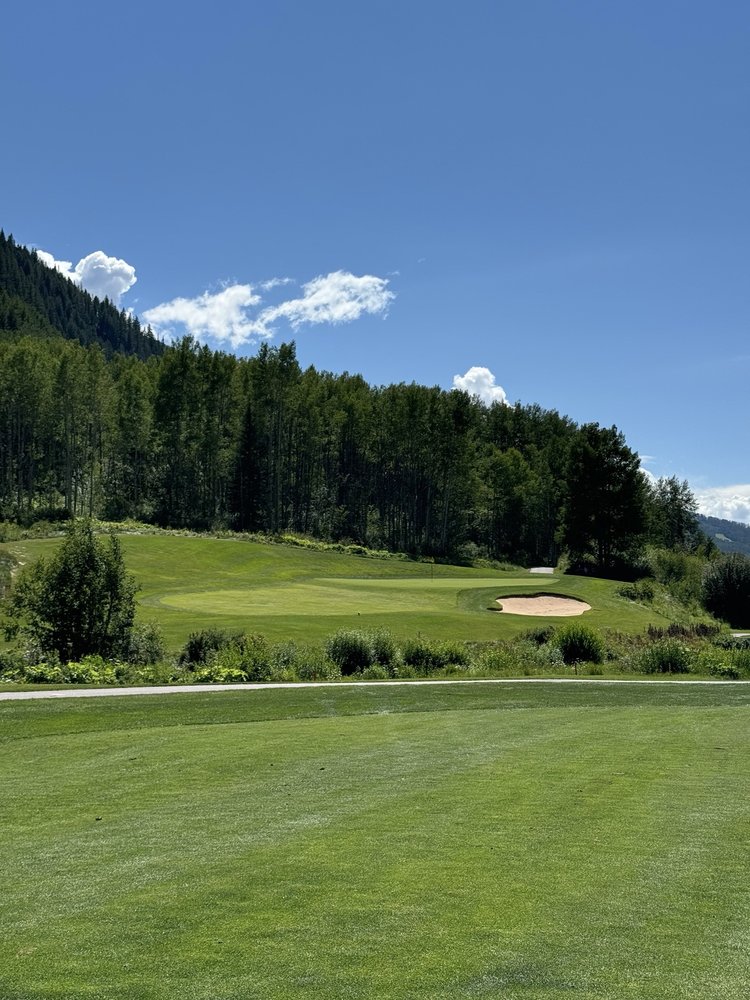
An 18-hole, par 71 public golf course set near the Gore Mountain Range, with golf amenities and seasonal Nordic use in winter.
A Vail Village museum with free admission and exhibits focused on Colorado skiing, snowboarding, and snowsports history.
Vail’s dining and shopping scene is centered around its pedestrian-friendly villages. Vail Village and Lionshead are connected by walking routes and the free in-town shuttle, with Gore Creek running through the core areas. These village centers offer restaurants, shops, lodging, galleries, nightlife, and direct access toward Vail Mountain.
Beyond the main resort core, East Vail and West Vail add a more practical layer to daily life. Discover Vail notes that East Vail and West Vail are both connected by the free bus system, while West Vail includes grocery stores, hardware stores, fast-casual restaurants, and access to hiking and biking trails.
| Destination | What You’ll Find | Best For |
|---|---|---|
| Vail Village | Pedestrian streets, Bridge Street, Gondola One access, restaurants, shops, nightlife, lodging, and classic alpine village atmosphere. | Dining, shopping, resort access, and walkable village living |
| Lionshead Village | A car-free, Bavarian-inspired village at the base of Eagle Bahn Gondola with an ice rink, shops, restaurants, and bars. | Mountain access, après-ski, family outings, and resort convenience |
| Ford Park | Betty Ford Alpine Gardens, Gerald R. Ford Amphitheater, athletic fields, picnic areas, tennis facilities, and event space. | Concerts, gardens, recreation, and community events |
| West Vail | Grocery stores, hardware stores, casual restaurants, local services, free bus access, and nearby trail access. | Daily errands and practical convenience |
| East Vail | Residential settings east of the Vail Golf Course, free bus access, East Vail Market, and nearby hiking and biking access. | Quieter living, trail access, and mountain surroundings |
| Colorado Snowsports Museum | Exhibits and interactive displays focused on skiing, snowboarding, Colorado snowsports, and Vail’s mountain heritage. | Local history and winter-sports culture |
For everyday convenience, location makes a noticeable difference. Buyers who want a more walkable resort lifestyle may focus on Vail Village or Lionshead, while those who want easier access to daily services may also compare West Vail and other neighborhoods served by the bus system.
Vail’s residential areas are shaped by the valley, the resort core, Interstate 70, Gore Creek, and the surrounding mountains. The Town of Vail identifies 12 neighborhoods, and each one offers a different balance of walkability, quiet, views, open space, transit access, and proximity to recreation.
Because Vail is a resort community, buyers often compare more than home size or finishes. Free bus access, parking, HOA rules, rental rules, proximity to village cores, sun exposure, trail access, and distance to daily errands can all shape the ownership experience.
| Area or Setting | Community Feel | Why Buyers Consider It |
|---|---|---|
| Vail Village | Walkable, central, resort-focused | Close access to restaurants, shops, Gondola One, pedestrian streets, events, and the classic Vail village setting |
| Lionshead Village | Car-free, active, convenient | Access to Eagle Bahn Gondola, dining, shops, lodging, ice rink, and a lively base-area environment |
| East Vail | Quieter, residential, mountain-oriented | Free bus access, trail access, proximity to the east side of town, and a more removed residential feel |
| West Vail | Practical, service-oriented, residential | Grocery stores, hardware stores, casual restaurants, local services, bus access, and hiking and biking access |
| Golf Course / Booth Creek Area | Scenic, recreation-focused, residential | Access to Vail Golf Club, Gore Range views, parks, trails, and east-side recreation |
| Sandstone / Potato Patch / Lions Ridge | Hillside, residential, view-oriented | Residential settings above or near the main corridors, with access to transit, views, and proximity to the resort core |
Each setting gives buyers a different version of Vail living. Some prioritize walking to the gondola and restaurants. Others prefer a quieter setting with more space from the busiest village areas. Buyers should also verify whether a property sits within Town of Vail boundaries, since local rules and fees can affect ownership plans.
Vail is served by Eagle County School District. Red Sandstone Elementary School is located in Vail, while Battle Mountain High School is located nearby in Edwards. The district also lists Vail Ski & Snowboard Academy in Minturn, which serves students involved in competitive skiing and snowboarding.
Nearby higher education is available through Colorado Mountain College Vail Valley at Edwards. The campus serves the Vail Valley and offers in-person and virtual programs across several academic areas.
Community life in Vail is shaped by recreation, transit, parks, open space, public art, concerts, snowsports culture, and seasonal events. The free bus system helps connect residents and visitors to Vail Mountain, the villages, neighborhoods, and local services. Buyers with school-age children should verify current school assignments directly with Eagle County School District because boundaries and programs can change.
Vail real estate is highly location-driven. Buyers often compare resort-core condos, townhomes, single-family homes, hillside residences, golf-area properties, and homes in quieter east or west side neighborhoods. The right fit depends on whether the buyer values walkability, mountain access, transit, privacy, views, or daily convenience most.
Buyers considering a property in Vail should also review local rules and ownership costs carefully. The Town of Vail requires an approved short-term rental license before advertising or operating a short-term rental within town boundaries. The town also has a 1% Real Estate Transfer Tax, with proceeds directed toward purposes such as real property purchase, open space, recreation, and parks.
HOA rules, parking access, rental restrictions, snow removal, transit proximity, sun exposure, and distance to groceries or services can all matter in Vail. A property near the village core may offer strong walkability and mountain access, while a home in East Vail or West Vail may offer a quieter daily rhythm with free bus access into town.
People love living in Vail because it combines mountain access, scenic surroundings, free transit, village convenience, and four-season recreation. It offers a resort lifestyle, but it also has real neighborhoods, schools, parks, public facilities, and everyday services that support full-time community life.
Vail gives residents direct access to skiing, snowboarding, hiking, biking, golf, fishing, and alpine scenery throughout the year.
Vail Village and Lionshead offer pedestrian-friendly streets with restaurants, shops, lodging, events, and mountain access close together.
The Town of Vail provides free year-round bus service throughout town, helping connect neighborhoods, villages, and Vail Mountain.
Vail maintains neighborhood parks, community parks, pocket parks, recreation paths, and open-space areas throughout the community.
Gerald R. Ford Amphitheater, Bravo! Vail, Vail Dance Festival, concerts, and seasonal events add a strong cultural layer to local life.
Buyers can compare lively village settings, quieter east and west side neighborhoods, hillside areas, and golf-oriented residential settings.
For anyone considering a move to Vail, the best starting point is lifestyle fit. Some buyers want to be steps from dining, shops, and gondola access. Others want a quieter neighborhood with trail access and free transit into the village. Once those priorities are clear, it becomes easier to find the right Vail property setting.
4,971 people live in Vail, where the median age is 49.1 and the average individual income is $100,332. Data provided by the U.S. Census Bureau.
Total Population
Median Age
Population Density
Average individual Income
There's plenty to do around Vail, including shopping, dining, nightlife, parks, and more. Data provided by Walk Score and Yelp.
Explore popular things to do in the area, including Bailey's Coffee House, Sim's Market, and Grill On The Gore.
| Name | Category | Distance | Reviews |
Ratings by
Yelp
|
|---|---|---|---|---|
| Dining | 0.24 miles | 1 review | 1/5 stars | |
| Dining · $$$$ | 1.26 miles | 16 reviews | 3.9/5 stars | |
| Dining | 1.33 miles | 14 reviews | 3.5/5 stars | |
| Dining | 1.55 miles | 0 reviews | 0/5 stars | |
| Dining | 2.17 miles | 2 reviews | 5/5 stars | |
| Dining | 2.17 miles | 1 review | 4/5 stars | |
| Shopping | 0.24 miles | 0 reviews | 0/5 stars | |
| Shopping | 0.24 miles | 0 reviews | 0/5 stars | |
| Active | 0.14 miles | 11 reviews | 4.1/5 stars | |
| Active | 0.66 miles | 0 reviews | 0/5 stars | |
| Active | 1.19 miles | 6 reviews | 5/5 stars | |
| Active | 1.39 miles | 0 reviews | 0/5 stars | |
| Active | 1.55 miles | 0 reviews | 0/5 stars | |
| Active | 1.55 miles | 19 reviews | 4.1/5 stars | |
| Active | 2.17 miles | 0 reviews | 0/5 stars | |
| Active | 2.17 miles | 0 reviews | 0/5 stars | |
| Active | 2.17 miles | 1 review | 4/5 stars | |
| Active | 2.25 miles | 51 reviews | 3.8/5 stars | |
| Nightlife | 1.99 miles | 6 reviews | 4.3/5 stars | |
| Beauty | 1.99 miles | 0 reviews | 0/5 stars | |
| Beauty | 2.17 miles | 0 reviews | 0/5 stars | |
| Beauty | 2.17 miles | 16 reviews | 5/5 stars | |
| Beauty | 2.17 miles | 0 reviews | 0/5 stars | |
| Beauty | 2.17 miles | 1 review | 5/5 stars | |
|
|
||||
|
|
||||
|
|
||||
|
|
||||
|
|
||||
|
|
Vail has 2,520 households, with an average household size of 1.97. Data provided by the U.S. Census Bureau. Here’s what the people living in Vail do for work — and how long it takes them to get there. Data provided by the U.S. Census Bureau. 4,971 people call Vail home. The population density is 43 and the largest age group is Data provided by the U.S. Census Bureau.
Total Population
Population Density Population Density This is the number of people per square mile in a neighborhood.
Median Age
Men vs Women
Population by Age Group
0-9 Years
10-17 Years
18-24 Years
25-64 Years
65-74 Years
75+ Years
Education Level
Total Households
Average Household Size
Average individual Income
Households with Children
With Children:
Without Children:
Blue vs White Collar Workers
Blue Collar:
White Collar:
Explore Other Neighborhoods
137 BENCHMARK RD AVON CO 81620
137 BENCHMARK RD AVON CO 81620